Spider Cage Therapy
Spider Cage Therapy is an intensive physiotherapy approach that uses a specialised Universal Exercise Unit (UEU), often known as the “Spider Cage.” Originally developed in Poland, this therapy involves supporting the child using a system of elastic bungee cords attached within the cage structure.
The elastic support allows children and young people to safely practise a wide range of functional positions and movements for longer periods than may otherwise be possible.
This may include:
- Standing
- Walking
- Sit-to-stand transfers
- Four-point kneeling
- Balance activities
- Strengthening exercises
- Transitional movements
Spider Cage Therapy can help improve:
- Strength and endurance
- Postural control
- Balance and coordination
- Walking and mobility skills
- Confidence with movement
- Functional independence
Sessions are intensive, motivating, and tailored to each child’s goals and abilities.
Electrical Stimulation Therapy (NMES & FES)
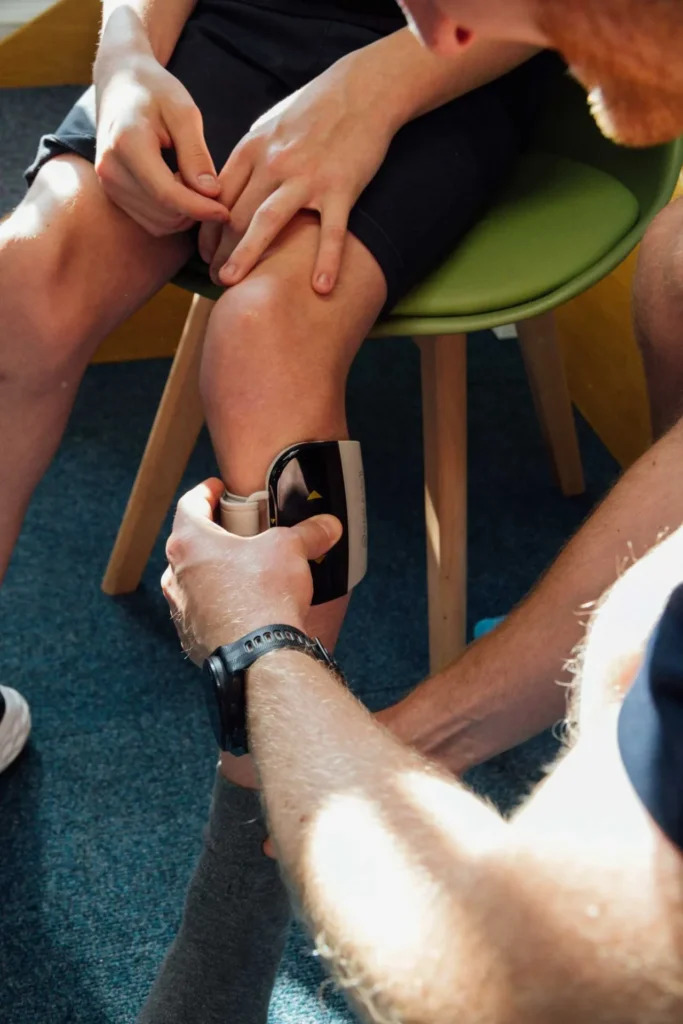
Electrical stimulation therapy, often referred to as NMES (Neuromuscular Electrical Stimulation) or FES (Functional Electrical Stimulation), uses small electrical impulses to stimulate specific nerves and muscles.
This treatment can be highly effective in:
- Strengthening weak muscles
- Improving muscle activation
- Managing muscle tone and spasticity
- Supporting functional movement
- Reducing pain and discomfort
At Mini Wonders, we use advanced systems including the Hand Rehab System, which combines FES and EMG technology. This allows the child to initiate movement themselves before the device assists them, promoting active participation and motor learning.
Electrical stimulation can be used to:
- Help “switch on” weaker muscles
- Reduce overactivity in tighter muscles
- Improve walking patterns
- Build strength and endurance
- Support neuroplasticity and motor relearning
Sessions are carefully tailored to each child and are always supervised by trained physiotherapists.
TheraSuit® Therapy
TheraSuit® therapy uses a specially designed soft canvas suit with elastic resistance cords, often used alongside the Spider Cage or Universal Exercise Unit.
The suit provides external support and resistance, helping children develop improved alignment, posture, strength, and movement patterns.
By adding controlled resistance during movement, TheraSuit® therapy promotes:
- Muscle strengthening
- Improved body awareness (proprioception)
- Better postural control
- Improved movement quality
- Increased functional independence
This therapy can be particularly beneficial for children managing:
- Spasticity
- Dyskinesia
- Muscle weakness
- Developmental delay
- Neurological conditions affecting movement
TheraSuit® sessions are active, engaging, and carefully adapted to each child’s needs and goals.
Foot Drop Stimulation Devices
Foot drop stimulation devices, such as the Walkaide system, use Functional Electrical Stimulation (FES) to support walking by stimulating the muscles responsible for lifting the foot during gait.
For children experiencing foot drop, toe dragging, or altered walking patterns due to weakness or increased muscle tone, this technology can help improve:
- Foot clearance during walking
- Walking safety and efficiency
- Muscle activation and strength
- Balance and mobility
- Overall gait pattern
The device stimulates the muscles at exactly the right moment during walking, encouraging more natural movement patterns while promoting neuroplasticity and helping the central nervous system and muscles work together more effectively over time.
For some children, the goal is long term improvement in independent movement, while others may benefit from ongoing use during functional activities and mobility.
Hydrotherapy
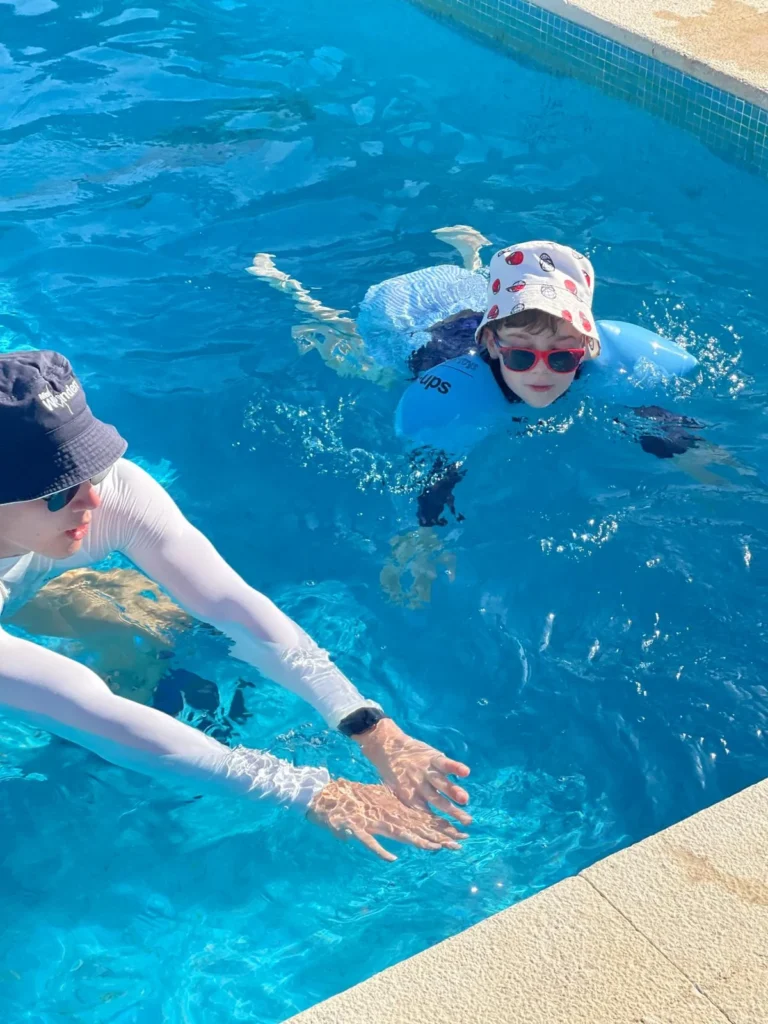
Hydrotherapy uses the therapeutic properties of warm water to support movement, rehabilitation, exercise, and wellbeing. Sessions take place in a purpose-built heated hydrotherapy pool under the guidance of a specialist physiotherapist.
The buoyancy of water reduces the effects of gravity and weight-bearing, allowing children to practise movements that may be difficult or impossible on land. The warmth and resistance of the water also help relax muscles while providing gentle strengthening opportunities.
Hydrotherapy can help improve:
- Muscle tone management
- Strength and endurance
- Joint range of movement
- Balance and coordination
- Gross motor skills
- Circulation
- Pain and discomfort
- Confidence in movement
Most importantly, hydrotherapy is often fun, motivating, and highly engaging for children, helping to build confidence and enjoyment around movement and exercise.
Dynamic Movement Intervention (DMI)
Dynamic Movement Intervention (DMI) is an evidence-informed therapy approach designed to support children with motor delay and neurological conditions.
DMI uses carefully selected dynamic exercises to encourage automatic postural responses and stimulate progress towards developmental milestones. The therapy aims to provoke active movement responses from the child while supporting neuroplasticity and motor learning.
DMI may support the development of:
- Head and trunk control
- Sitting balance
- Standing and walking
- Transitional movements
- Coordination and motor planning
- Postural reactions
Sessions are intensive, hands on, and tailored specifically to each child’s developmental level and goals.
Gait & Treadmill Training
Treadmill training is a well-researched and highly effective therapy tool used to support walking development, endurance, balance, and mobility.
At Mini Wonders, we use specialist treadmills and gait training systems to help children and young people:
- Learn to take steps
- Improve walking patterns
- Build endurance and cardiovascular fitness
- Increase confidence with mobility aids or independent walking
- Improve balance and coordination
Treadmill therapy can be adapted for children who are learning to walk for the first time, rebuilding skills following surgery, or working towards greater independence with mobility.
Sessions are designed to be motivating and engaging, often incorporating music, games, and videos to encourage participation and help children achieve longer distances and more challenging goals.
We also support families with home treadmill setups where appropriate, helping maintain long-term progress outside of therapy sessions.