Acquired Brain Injury
Acquired Brain Injury (ABI) refers to any injury to the brain that occurs after birth. This can include traumatic injuries such as falls, road traffic accidents, or sporting injuries, as well as non-traumatic causes including stroke, infection, tumour, lack of oxygen, or neurological illness. An acquired brain injury can affect many areas of a child or young person’s development, including movement, balance, coordination, strength, mobility, communication, behaviour, fatigue, and independence. Every child’s presentation and recovery journey is unique, and physiotherapy plays an important role in helping children regain skills, maximise function, and rebuild confidence following injury.
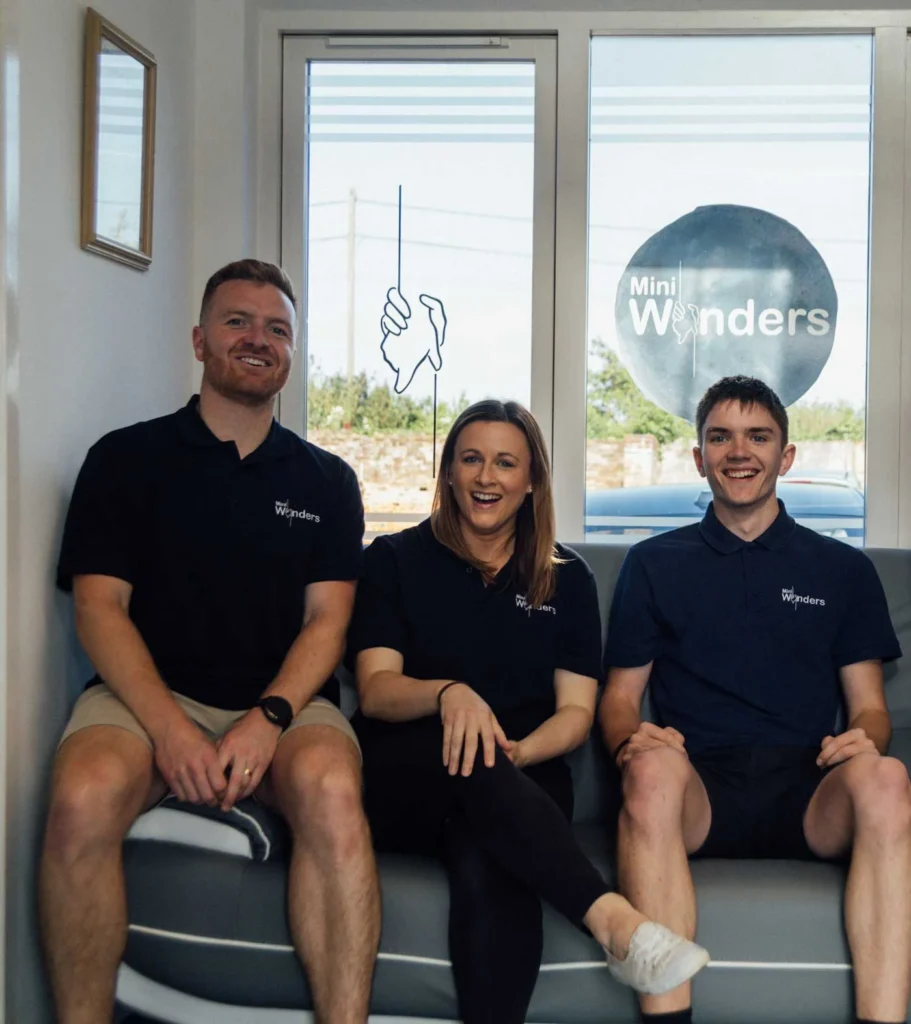
At Mini Wonders, we understand that an acquired brain injury can have a significant impact on the whole family. Recovery can feel uncertain and overwhelming at times, particularly as children’s needs may change throughout their rehabilitation journey. Our specialist paediatric physiotherapy team provides compassionate, evidence-based therapy tailored to each child’s individual needs, helping them progress towards meaningful goals while supporting families every step of the way.
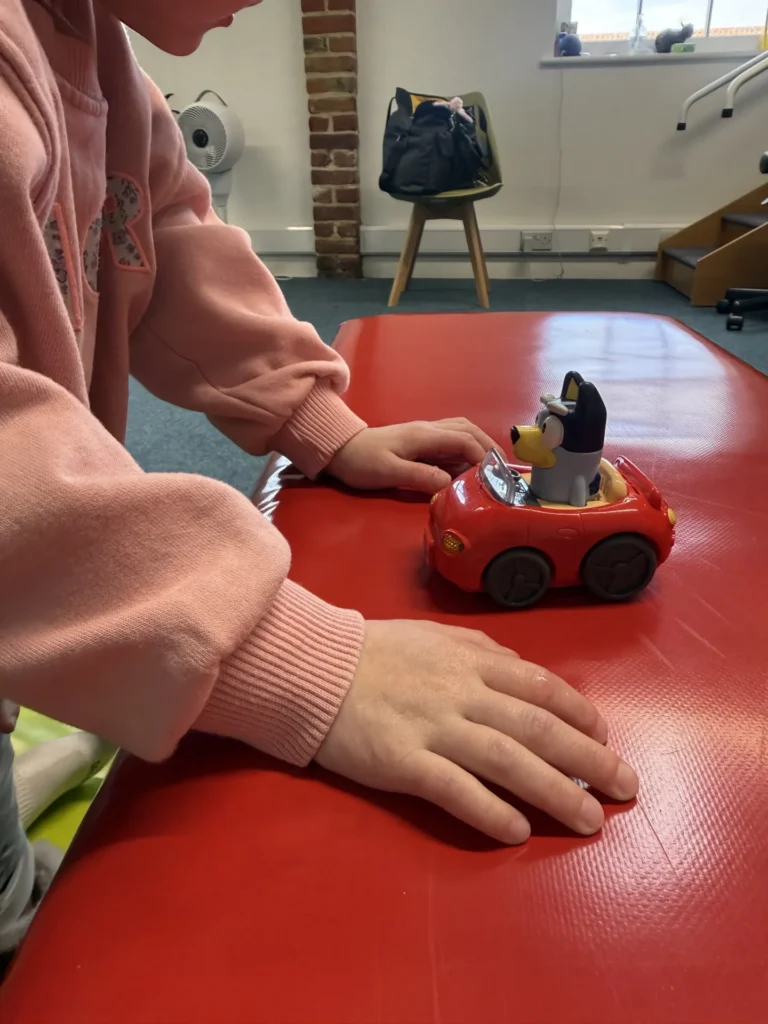
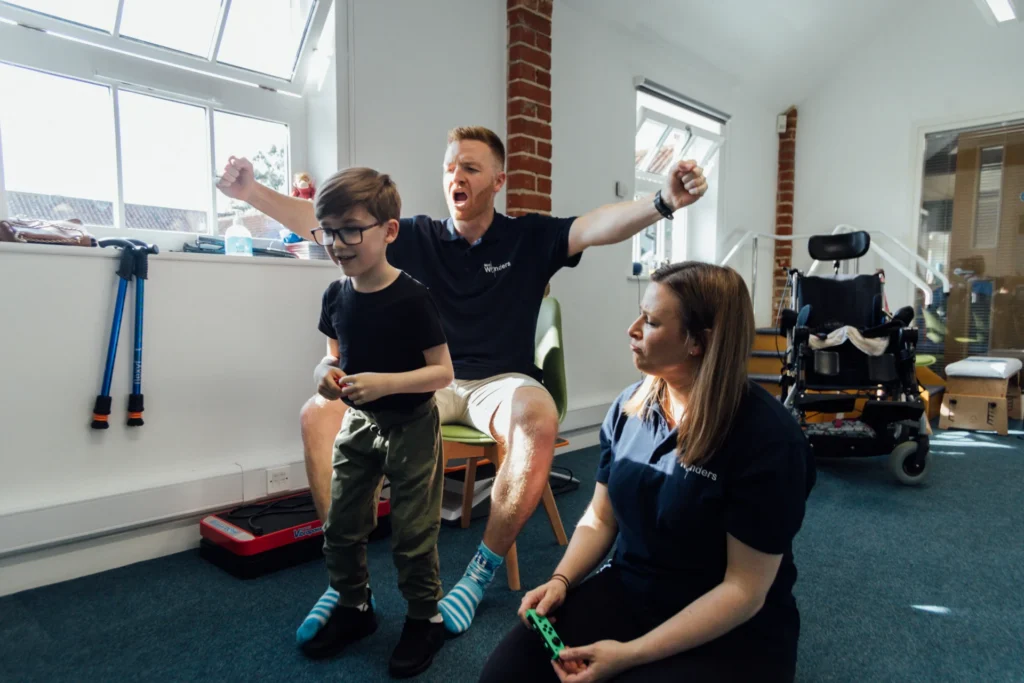
We believe therapy should be engaging, motivating, and enjoyable. Our sessions are designed around each child’s interests and personality, incorporating play, games, music, functional activities, challenges, and specialist equipment to keep children engaged while developing important physical skills. By creating a positive and supportive environment, we help children build confidence alongside strength, mobility, and independence.
Personalised Rehabilitation Therapy
How Mini Wonders can help:
- Thorough physical assessment and identification of needs
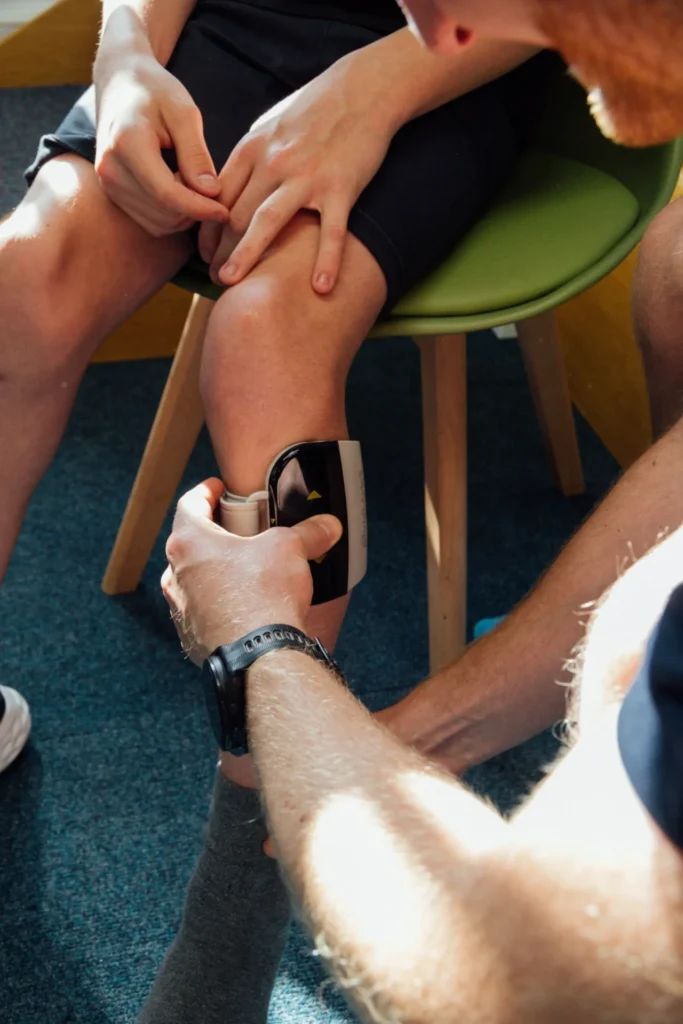
- Hands-on therapy to guide movement, motor development, strength, and coordination
- Rehabilitation following surgery, injury, or prolonged hospital admissions
- Support for posture, mobility, and functional independence
- Gait re-education and walking practice
- Strengthening and endurance programmes
- Balance and coordination training
- Tone management and stretching programmes
- Prevention and management of contractures and secondary complications
- Fatigue management and graded physical activity
- Daily home exercise programmes integrated into family routines
- Advice regarding specialist equipment including orthotics, walkers, wheelchairs, standing frames, seating, and sleep systems
How We Work
Depending on the child’s goals and stage of recovery, therapy may also include intensive rehabilitation blocks, treadmill and gait training, hydrotherapy, electrical stimulation, Spider Cage Therapy, TheraSuit® therapy, and Dynamic Movement Intervention (DMI).
We work closely with families, schools, consultants, case managers, and wider multidisciplinary teams to ensure children receive coordinated and consistent support across all environments. Our aim is always to help children maximise their physical potential, improve participation in everyday life, and regain confidence in their abilities following injury.
At Mini Wonders, we celebrate every step of progress helping children and families navigate rehabilitation with support, expertise, and encouragement throughout their journey.