
Hypertonia & Hypotonia
Hypotonia and Hypertonia describe differences in muscle tone that can affect a child’s movement, posture, and functional development. These are not diagnoses in themselves, but clinical presentations that can be associated with a range of neurological and developmental conditions.
Hypotonia refers to reduced muscle tone, where muscles may feel “floppy” or less responsive. Children with hypotonia may present with reduced strength, low postural control, delayed motor milestones, and difficulties with activities such as sitting upright, maintaining balance, or developing coordinated movement patterns. They may also fatigue more easily and require additional support to build stability and control.
Hypertonia refers to increased muscle tone, where muscles are tighter and more resistant to movement. This can affect posture, joint range of movement, coordination, and functional skills such as walking, standing, and using hands effectively. Children may present with stiffness, spasticity, or difficulty with smooth, controlled movement patterns, which can impact comfort and independence in daily activities.
At Mini Wonders, we recognise that muscle tone differences are highly individual and can change over time depending on development, growth, fatigue, and medical interventions. Our specialist paediatric physiotherapy team provides detailed assessment and ongoing review to understand how tone is impacting each child’s movement, function, and participation in everyday life.
Paediatric Muscle Tone Assessment & Therapy
We take a child-centred, functional approach to therapy, focusing not only on muscle tone itself but on how it affects meaningful skills such as mobility, play, self-care, and independence.
Therapy is always tailored to the child’s stage of development, goals, and interests, ensuring sessions are engaging, motivating, and enjoyable.
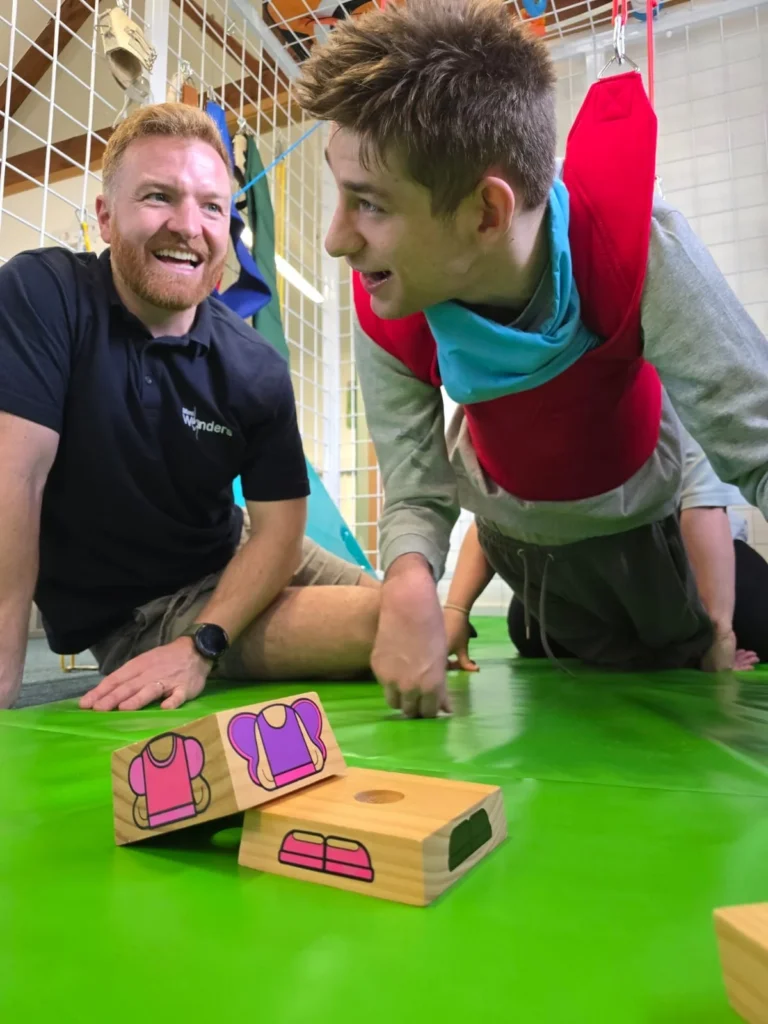
We believe children learn movement best through active participation and positive experiences. Our sessions use play, games, movement challenges, and functional activities to make therapy fun while targeting important physical outcomes.
Our physiotherapy support may include:
- Thorough physical assessment of muscle tone, posture, and movement patterns
- Identification of functional needs and developmental stage
- Hands-on therapy to support movement, alignment, and motor control
- Strengthening programmes for children with hypotonia
- Stretching and range of movement programmes for children with hypertonia
- Postural management and positioning support
- Balance and coordination training
- Motor skill development and functional movement practice
- Gait training and mobility support
- Prevention and management of contractures and secondary complications
- Monitoring of orthopaedic changes and growth-related considerations
- Fatigue management strategies and activity pacing where required
- Daily home exercise programmes integrated into family routines
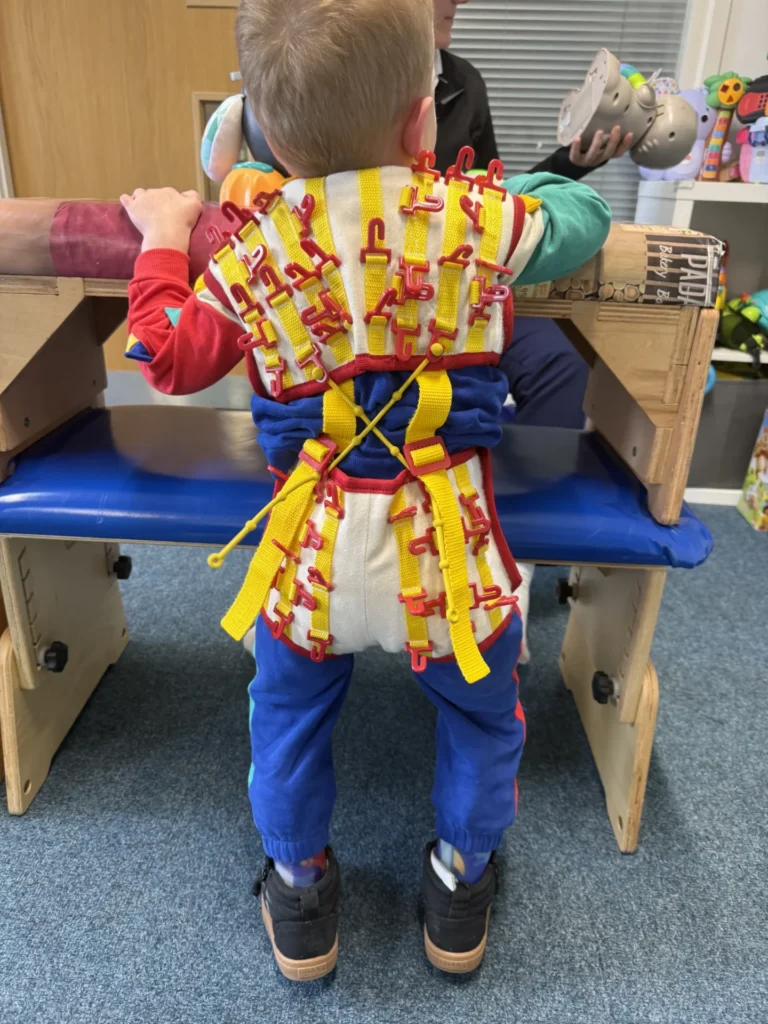
- Advice on specialist equipment such as orthotics, seating systems, standing frames, walkers, and sleep systems
We also offer intensive and specialist therapy approaches where appropriate, including hydrotherapy, treadmill training, Spider Cage Therapy, TheraSuit® therapy, electrical stimulation, Dynamic Movement Intervention (DMI), and intensive therapy blocks.
These approaches are adapted to each child’s individual presentation and tolerance.
We work closely with families, schools, and multidisciplinary teams to ensure a consistent and coordinated approach across all environments. Our goal is to support each child in developing the best possible movement quality, functional independence, and confidence in their abilities.
At Mini Wonders, we focus on what each child can achieve, celebrating progress at every stage and supporting families with clear, compassionate, and practical physiotherapy care.