
Gross Motor Delay & Global Developmental Delay (GDD)
Global Developmental Delay and gross motor delay describe patterns where a child is not reaching expected developmental milestones at the typical stages. Gross motor delay specifically refers to difficulties with movement skills such as rolling, sitting, crawling, standing, or walking, while global developmental delay describes a broader delay across multiple areas of development, which may include motor skills, speech and language, cognition, social interaction, and self-care.
It is important to recognise that both gross motor delay and global developmental delay are highly individual. Every child develops at their own pace, and delays can vary in severity, presentation, and underlying cause. Some children may need support with early foundational skills such as head control or sitting balance, while others may be working towards more advanced milestones such as walking, running, or coordinated functional movement. Therapy is always tailored to the child’s current stage of development, strengths, and specific areas of difficulty.
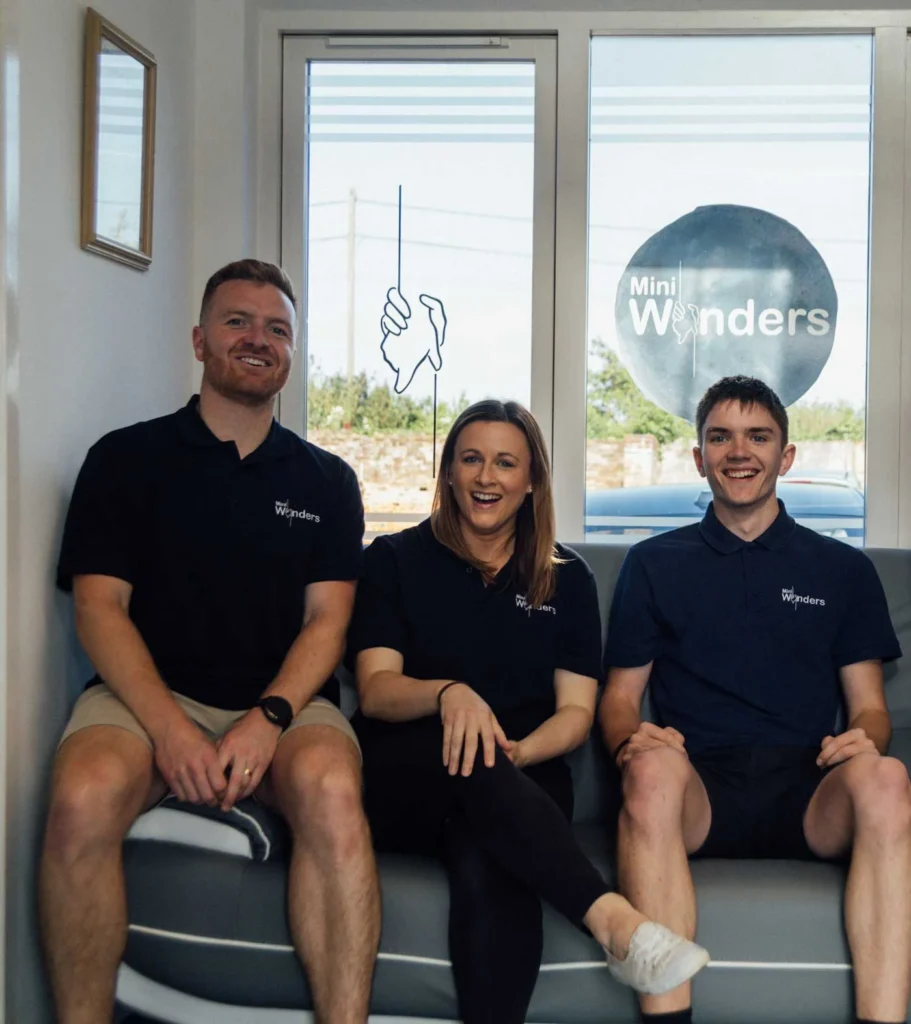
At Mini Wonders, we specialise in supporting children at every stage of their motor and functional development. Our paediatric physiotherapy approach is designed to identify each child’s current abilities and carefully build the next achievable steps towards milestone progression. We focus on breaking down movement skills into manageable stages, helping children experience success, build confidence, and develop the foundations needed for long-term functional independence.
Paediatric Developmental Physiotherapy
We understand that families often come to us with concerns about milestone achievement, movement differences, or delayed progress. Our role is to provide clarity, reassurance, and a clear, structured plan to support development in a way that is realistic, engaging, and enjoyable for each child.
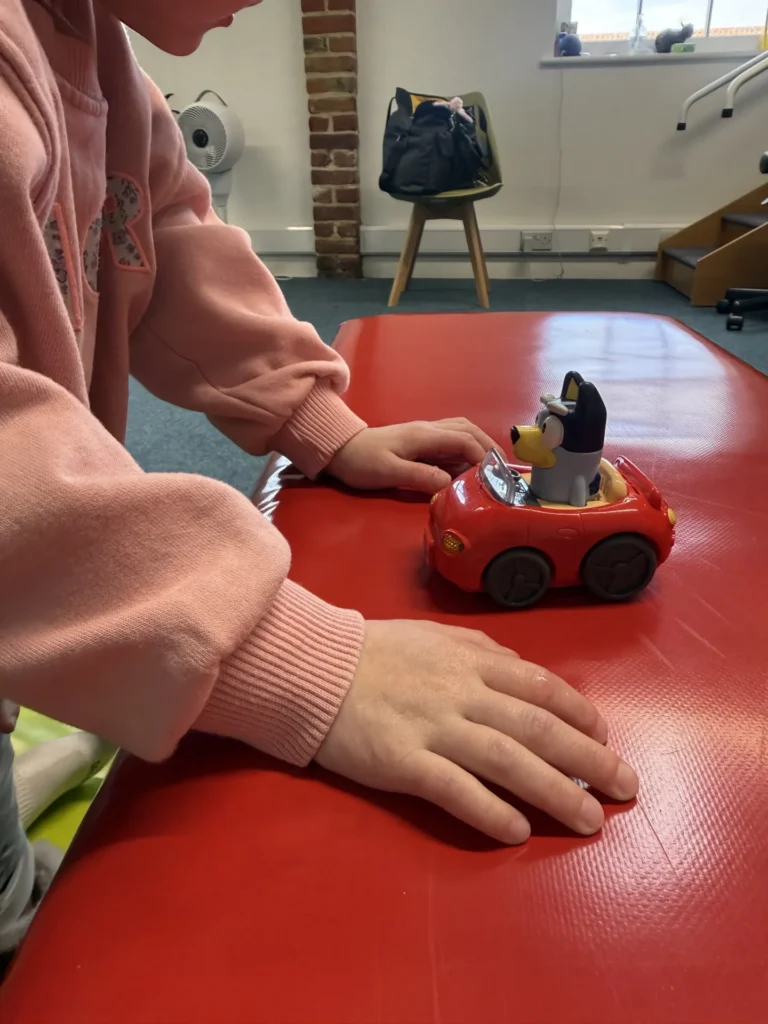
Therapy is always child-centred and play-based, ensuring that children are motivated and actively involved in their sessions. We use games, toys, movement challenges, obstacle courses, music, and functional activities to make therapy engaging while targeting important developmental skills.
Mini wonders can help with:
- Thorough physical assessment and identification of needs
- Assessment of current motor milestone level and functional abilities
- Hands-on therapy to guide movement, strength, balance, and coordination
- Support with achieving developmental milestones such as rolling, sitting, crawling, standing, and walking
- Postural control and core stability development
- Balance and coordination training
- Strength and endurance building
- Gait training and early mobility support
- Prevention of secondary complications such as tightness or asymmetries
- Monitoring of orthopaedic development where required
- Daily home exercise programmes tailored to family routines
- Advice on positioning, play activities, and developmental facilitation at home
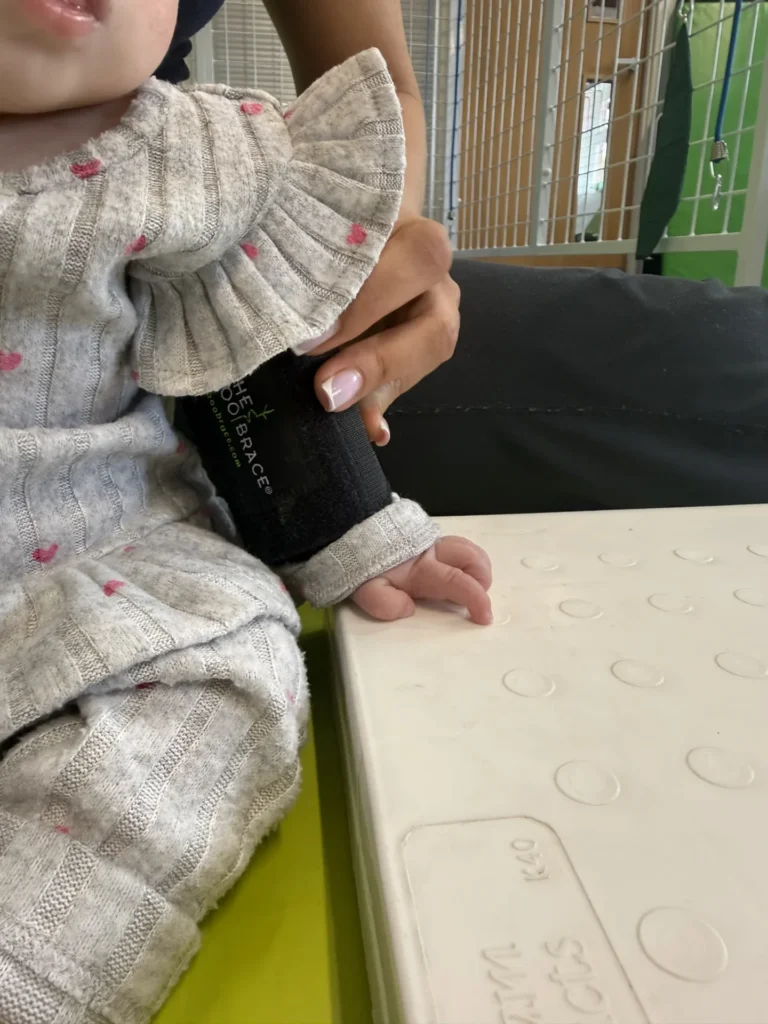
- Specialist equipment recommendations including standing frames, walkers, seating systems, orthotics, and supportive positioning aids
How We Work
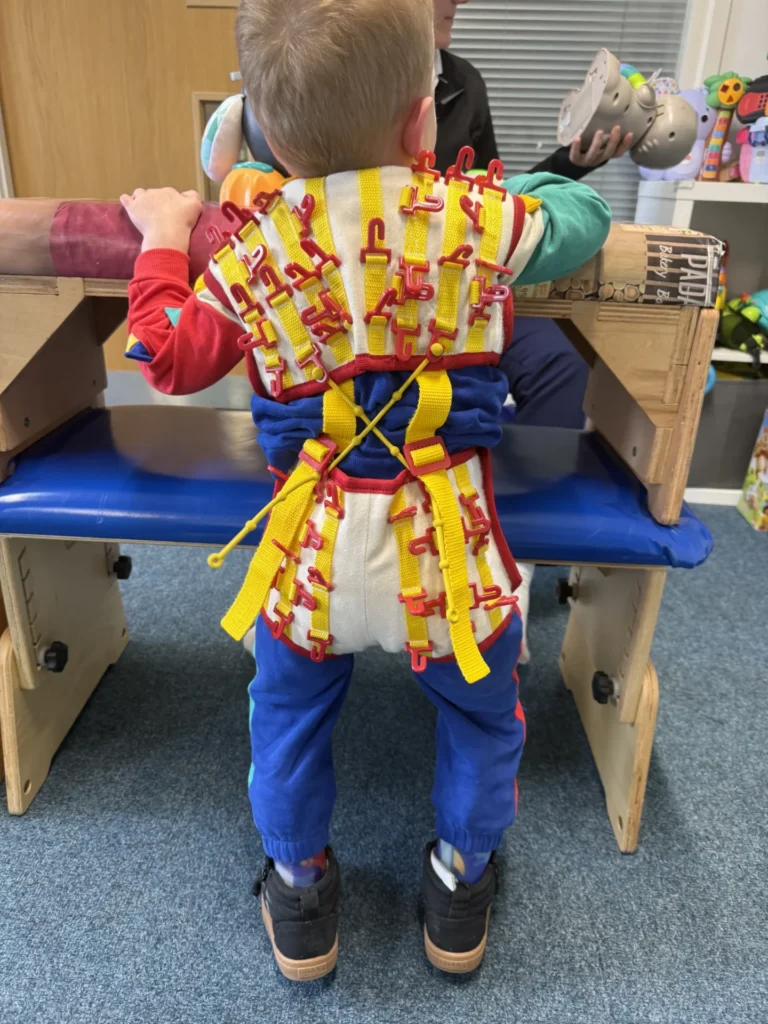
We also provide more intensive therapy approaches when appropriate, including intensive therapy blocks, hydrotherapy, treadmill training, Spider Cage Therapy, TheraSuit® therapy, electrical stimulation, and Dynamic Movement Intervention (DMI), all adapted to the child’s developmental stage and tolerance.
We work closely with families and wider professionals to ensure a consistent, joined-up approach across home, nursery, school, and clinical environments. Progress is regularly reviewed using functional goals and milestone-based outcomes, ensuring therapy remains meaningful and responsive to each child’s development.
At Mini Wonders, we believe that every child has the potential to progress. Our aim is to support each child step by step, helping them move forward in their own time, building confidence, independence, and joy in movement along the way.